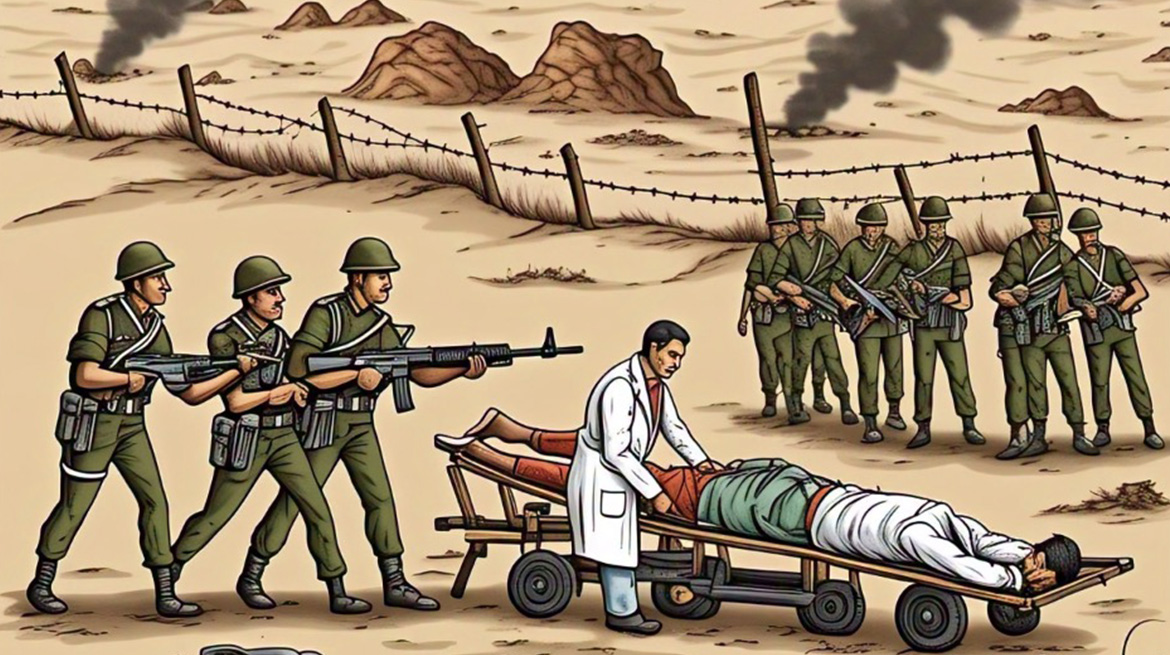
Side effect of war on health
War leaves deep and lasting scars not only on nations and economies but also on human health. Its effects extend far beyond the battlefield, impacting civilians, soldiers, and future generations in profound ways. The side effects of war on health are both immediate and long-term, affecting physical, mental, and social well-being.
One of the most visible consequences of war is physical injury. Explosions, gunfire, and chemical weapons cause severe wounds, disabilities, and loss of life. Hospitals and healthcare systems often become overwhelmed or destroyed, making it difficult for the injured to receive proper treatment. In many cases, people die from otherwise treatable conditions simply because medical care is unavailable. War also increases the spread of infectious diseases due to poor sanitation, overcrowded refugee camps, and disrupted vaccination programs.
Malnutrition is another serious health issue during war. Food supplies are often cut off, farms are destroyed, and supply chains collapse. As a result, many people—especially children—suffer from hunger and nutrient deficiencies. Malnutrition weakens the immune system, making individuals more vulnerable to disease and slowing recovery from illness. In extreme cases, it leads to starvation and death.
Mental health is one of the most deeply affected areas during and after war. People living in conflict zones experience constant fear, trauma, and uncertainty. Many develop conditions such as anxiety, depression, and post-traumatic stress disorder (PTSD). Soldiers returning from war often struggle to adjust to normal life, carrying emotional scars from what they have witnessed or experienced. Children, in particular, are highly vulnerable; exposure to violence at a young age can affect their emotional development and behavior for the rest of their lives.
War also disrupts essential health services. Routine care such as maternal health services, immunizations, and treatment for chronic diseases often becomes inaccessible. Pregnant women face higher risks during childbirth without proper medical support. Patients with conditions like diabetes or heart disease may not receive the medication they need, leading to complications or death. This breakdown of healthcare systems can have lasting consequences even after the conflict ends.
Environmental damage caused by war further contributes to health problems. Bombings and military activities can contaminate air, water, and soil with harmful substances. Exposure to these pollutants increases the risk of respiratory illnesses, cancers, and other chronic conditions. In some cases, the use of certain weapons leaves toxic residues that affect populations for decades.
Social and economic instability caused by war also indirectly affects health. Loss of homes, jobs, and education creates stress and reduces access to basic necessities. Displacement forces millions of people to live in temporary shelters or refugee camps, where conditions are often poor and unsafe. This instability makes it difficult for individuals and communities to recover and rebuild their lives.
In conclusion, the side effects of war on health are widespread and devastating. They go beyond immediate injuries to include long-term physical illnesses, mental health issues, and weakened healthcare systems. Addressing these effects requires not only ending conflicts but also investing in healthcare, rebuilding infrastructure, and providing psychological support to affected populations.
Excellent article
ReplyDelete